

Buy a French Bulldog With a Long Nose
The French Bulldog's "bat ears" are part of their appeal, but they can create health concerns. The narrow ear canals make it easier for bacteria and debris to enter and cause infections.
Look for a puppy that has tight, well-formed nares. Narrow nares may cause breathing problems. Also, the rear feet should track inside the span of the front feet. If they don't, the movement isn't as good.
What is a Frenchie?
Frenchies are fun-loving pets that make great additions to any family. They are also extremely adaptable dogs who can adapt to a variety of living situations including apartments. But, as with all dogs, they require regular exercise and veterinary treatment. Select a responsible breeder who provides the puppies with an environment that is clean and healthy and keeps health records. A good breeder will answer any questions you may have about the background or personality of the dogs they sell.
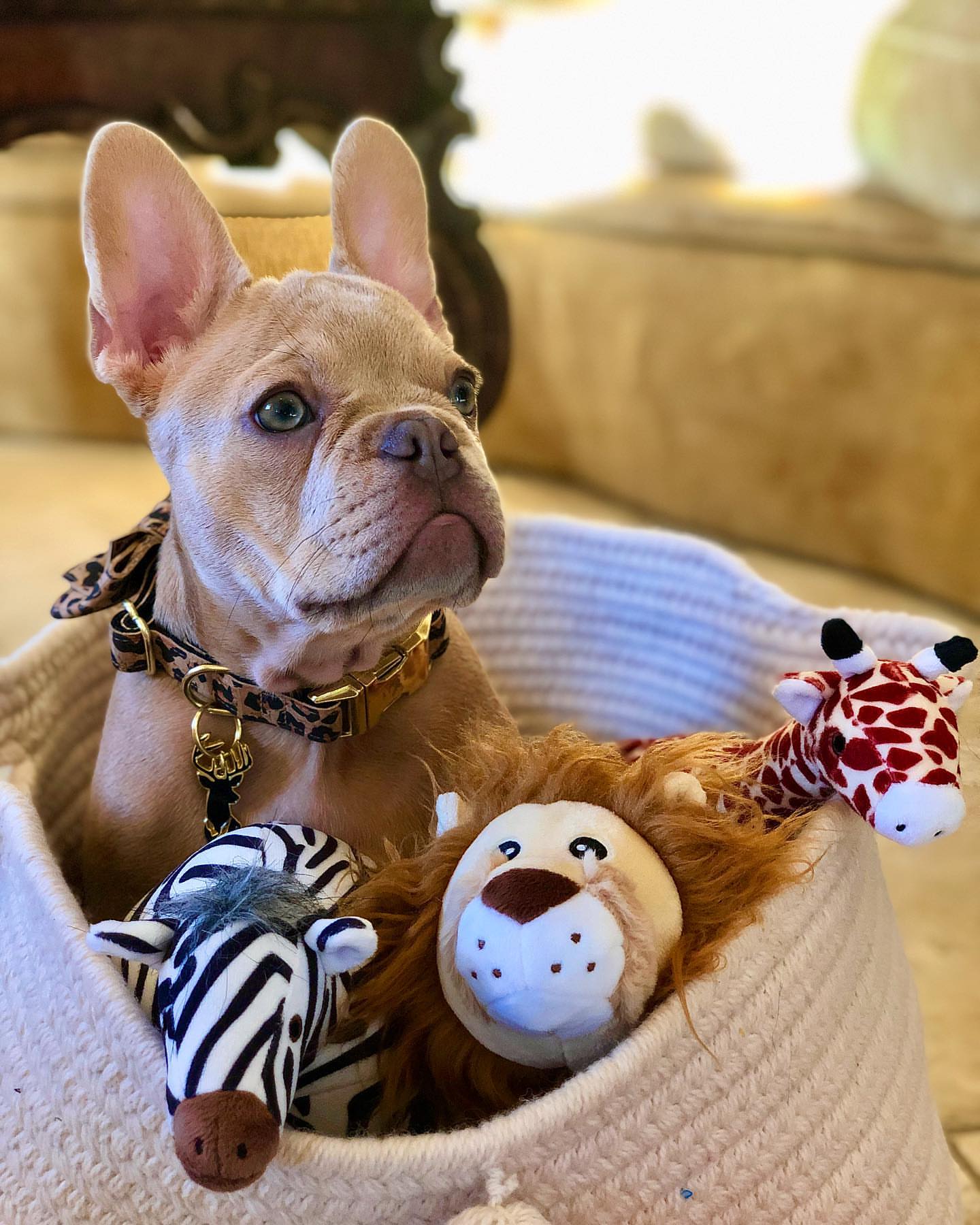
The French Bulldog has a short face, is dwarf (chondrodystrophic), and its ears are shaped like bats. They are muscular dogs with a strong bone structure and an affable temperament. They live between 10 and 14 years old.
Owners should be sure to keep their Frenchies inside and out of direct sun, because they are susceptible to heatstroke. They are prone to overheating when they sweat or engage in intense exercise. They also have a smaller nasal airway than other breeds, and they are able to breathe more easily. This can lead nose bleeds or respiratory infections. Snorring noises that they make could also be a sign of a blocked airway and could mean that your dog is suffering from breathing issues.
If you're considering buying a French Bulldog, search for a responsible breeder who works with reputable organizations, such as the Orthopedic Foundation for Animals and has a low rate of inbreeding. Breeders will test their dogs for genetic disorders such as hemivertebrae and Bifida. They'll also test for hereditary cataracts and luxating patellas. They'll also test for brachycephalic syndrome which is a common problem in Frenchies and other short-faced dogs and can lead to tracheal collapse and breathing difficulties.
A quality breeder will socialize their puppies right from birth. These sessions will help your puppy get used to new people, sounds and experiences prior to moving into their new home. This will help them grow to be well-mannered, confident dogs. The socialization process gives the breeder the chance to recognize and correct any possible behavioral issues before they become a problem.
Characteristics
Frenchies are low energy dogs who enjoy a brisk stroll or a play session with their owners. They are prone to heat and regular exercise is essential to avoid overheating. This breed doesn't do well in a household with small pets such as hamsters, cats or birds because they might think they are prey.
Like all puppies, Frenchies need to be taught and socialized regularly to be well-mannered adults. They are a free-thinking breed that love to please, making them receptive to training techniques such as positive reinforcement and food rewards. They thrive when they are able to communicate with their owners.
If you are interested in adopting an French Bulldog puppy, look for a responsible breeder that takes care of their pups well-being and health. Reputable breeders will screen their breeding stock for health issues and socialize their dogs right from the beginning. Backyard breeders are more concerned with turning a profit than producing healthy, well-adjusted and happy dogs. They may also ignore important health concerns like congenital diseases and genetic disorders.
This breed requires regular visits to the vet for health maintenance and grooming. kaufen oder adoptieren Niedlich Französische Bulldoggen Welpen will keep their coats clean and shiny. Nail trimming can help to prevent overgrowth. Pay particular attention to their ears and folds, which may be easily irritated. The anal sacs of the patients must be inspected regularly to ensure that they're not leaky.
French Bulldogs are known to gain weight, which is why it is essential to track the intake of calories for your dog and ensure they get enough exercise. If they're overweight, they could be at a greater risk for a variety of health issues like joint problems and respiratory issues.
Be prepared to spend a bit of money on the routine maintenance of a French Bulldog. The breed is costly to maintain, particularly when you opt for premium dog food and make regular visits to the vet. Consider using a credit cards specifically designed for expenses related to pets like CareCredit to help manage the costs of caring for your pet. This will allow you to pay for your pet's routine medical care, emergencies, and surgeries without breaking the bank.
Health Concerns
Frenchies are susceptible to certain health issues, a lot of which can be prevented by taking treatment. The brachycephalic anatomy of their breed (short nose) is what makes it difficult for them breathe through their nasal passages, and can cause respiratory problems. Take your French Bulldog to the vet in the event that they show signs of difficulty breathing or sneezing. They may require medication or an ear trephination procedure to open their ear canals.
Due to their jaws being shortened, Frenchies need to have their teeth checked regularly and cleaned. Their teeth tend to be overcrowded, which can lead to gingivitis and tartar accumulation. Pet parents can help prevent these problems by brushing their Frenchies' teeth with a soft toothbrush and dog-specific toothpaste. It is also essential to restrict their intake of hard foods, as they can put extra strain on their jaws and teeth.
Like other short-faced breeds, Frenchies have a higher risk of developing heart conditions. The pulmonary valve and artery could narrow, causing pulmonic blockage. This can reduce the flow of blood to the lung and can affect oxygen circulation throughout the body. It is important that Frenchies have regular checkups with their veterinarians.
Frenchies are also prone to hip dysplasia. This is a condition in which the hip joint becomes painful, loose, and prone to dislocation. The symptoms can be controlled through physical therapy and medication however severe cases could require surgery.
Frenchies are susceptible to spinal malformations that can affect the brain. This includes hemivertebrae which are vertebrae with no integrity and may compress the spinal chord. Herniated disks are also common in the spine. Certain herniated discs are minor and don't require treatment, but severe cases can cause paralysis.
Frenchies, like other breeds, are prone to skin problems including allergies. They may develop rashes or infections on their skin folds, paws, and in their ears. They are more vulnerable to digestive problems like peptic and inflammatory bowel diseases. They can also have respiratory problems, like a weakened upper-airway and blocked sinuses.
Training
French Bulldogs are intelligent dogs who love to please their owners. They are quick learners, which makes them excellent candidates for training. In fact there are many Frenchies excel in obedience, agility, and rally. They make great therapy dogs for schools and hospitals. Training can help build the trust and respect between the dog and its owner. It reinforces the rules you want your Frenchie follow. It is essential to begin training your dog as soon as possible. The ideal time to begin should happen when it is a puppy. So, the training will be enjoyable and easy for both of you. But, it's never too late to start training a dog. With perseverance, repetition, and positive reinforcement, the majority of dogs can learn new skills.
Frenchies are very social dogs, and they are able to get along with most people and other animals. It is best to keep them away from pets and large dogs since they can be a bit too rambunctious. It is essential to be constant in their training and not be annoyed.
It's important to employ positive reinforcement and food rewards when training to train a French Bulldog. This can motivate the dog to cooperate and encourage them during training sessions. It's also an excellent idea to keep the sessions short and entertaining to keep the dog from losing interest. Also, keep in mind that Frenchies are flat-faced dogs and can have breathing problems, so it's important not to over-exert them or exercise them in hot weather.
After you've completed basic obedience training with your French Bulldog, you can try more advanced tricks and abilities. For instance, you can train your dog to jump through a hoop, or retrieve toys. This kind of exercise can be enjoyable for both you and your dog and is a great way to burn off extra energy.
It's a good idea too, to include training into your daily routine. This will help your French Bulldog learn to associate the word with positive things. You can ask your dog "sit" when you feed him food or "stay" when you open the front door. This will help reinforce the instructions you've taught them and help them obey you even in unstructured situations.